Physical Damage
Physical damage insurance repairs or replaces your own equipment after a collision, rollover, fire, theft, hail or flood. For most operators, the truck is the business, and how this coverage is valued decides whether a total loss puts you back on the road or out of it.
Request a Consultation
Key features
Collision & comprehensive
Accidents and upsets, plus fire, theft, vandalism, weather and animal strikes.
Stated amount values
Set the value of each unit; we explain how the settlement really works.
Loss payees handled
Lenders and lessors listed correctly, certificates sent fast.
Deductible strategy
Balance premium against the cash you can actually cover after a loss.
Non-owned trailers
Trailer interchange and non-owned trailer options when you pull equipment you do not own.
Optional add-ons
Downtime/rental reimbursement, towing and accessories where available.
Collision and comprehensive (specified perils)
Collision pays for damage from hitting another vehicle or object or from overturn. Comprehensive (sometimes written as "other than collision") pays for fire, theft, vandalism, windstorm, hail, flood, falling objects and animal strikes. Some policies use specified causes of loss instead of full comprehensive; read which one you have.
How the value is set: stated amount vs. actual cash value
Most trucking physical damage is written on a stated amount basis: you list a value for each unit. What many operators do not realize is that under common stated amount wording the insurer pays the least of the stated amount, the actual cash value (ACV), or the cost to repair or replace. Over-insuring a truck can mean paying premium on value you will never collect. Under-insuring guarantees a short check on a total loss.
Read our full guide: Stated Value vs. Actual Cash Value.
Owner-operators vs. fleets
- Leased owner-operators usually buy their own physical damage even though the motor carrier provides primary liability. Your lender will require it and list itself as loss payee.
- Owner-operators with their own authority buy it alongside primary liability and cargo, often in one package.
- Fleets can schedule each unit or, on some programs, report values and pay by revenue or mileage. Larger fleets sometimes self-insure older units and insure newer, financed equipment.
Insuring trucks, trailers, or neither
You are not required by FMCSA to carry physical damage. Some carriers with older, paid-off equipment choose liability-only and keep cash reserves instead. That works if you can absorb a total loss. If you finance, lease or cannot replace a unit from savings, physical damage is essential. Trailers can be insured separately from tractors, and if you pull trailers you do not own, you need trailer interchange or non-owned trailer coverage. See physical damage with and without owned equipment.
Deductibles
Common physical damage deductibles run from $1,000 to $5,000 or more per unit. A higher deductible lowers premium, but only choose a deductible you could pay tomorrow. Remember that small claims also land on your loss runs; see when to file a claim.
Related coverage & guides

Stated Value vs. Actual Cash Value
Truck physical damage is usually written on a stated amount basis. The most important sentence in that…
Read more →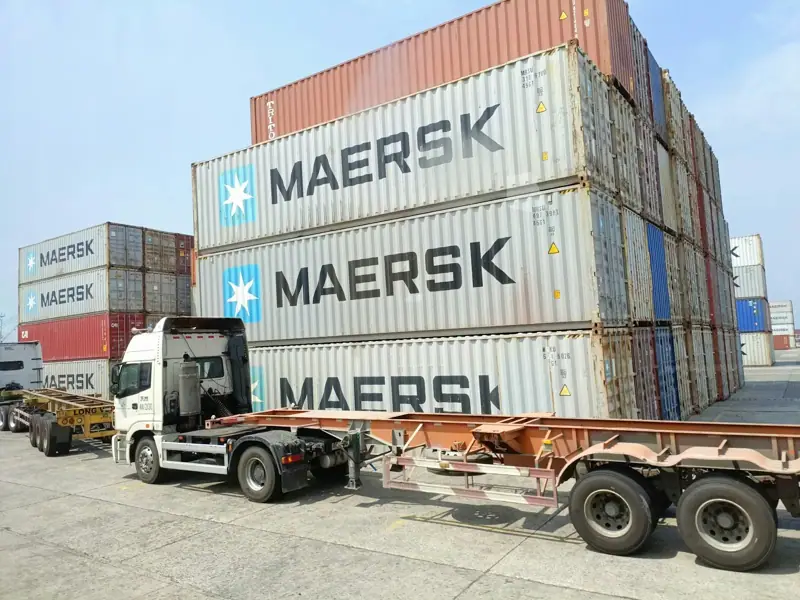
Trailer Interchange
When you pull a trailer you do not own under a written trailer interchange agreement, such as an intermodal…
Read more →
Physical Damage With and Without Owned Equipment
Physical damage follows the equipment you are responsible for. That may be trucks you own, trucks you lease,…
Read more →Physical Damage FAQ
Is physical damage insurance required for semi trucks?
Not by FMCSA. It is required by virtually every lender and lessor, and it is the only way to recover the value of your own equipment after a covered loss.
What does stated value mean?
It is the value you list for a unit. Under common stated amount wording the insurer pays the least of the stated amount, actual cash value, or the cost to repair or replace, so the stated amount works as a maximum.
Does physical damage cover my trailer?
Only if the trailer is listed on your policy. Trailers you do not own need trailer interchange or non-owned trailer physical damage coverage.