Trailer Interchange
When you pull a trailer you do not own under a written trailer interchange agreement, such as an intermodal chassis or another carrier's trailer, you are usually responsible for damage to it. Trailer interchange coverage pays for that damage.
Request a Consultation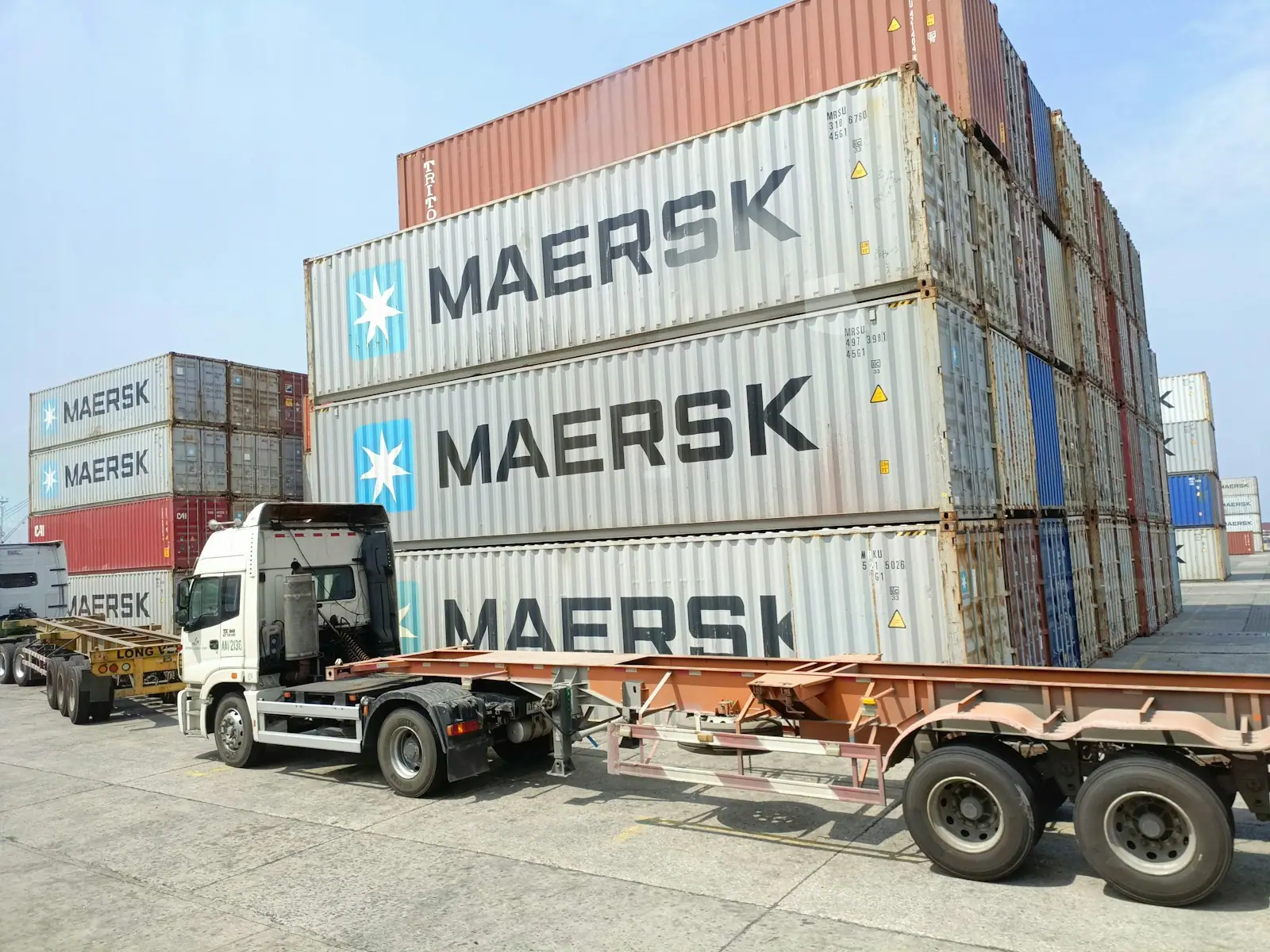
Key features
Written agreements
Applies to trailers in your possession under a written interchange agreement.
Physical damage
Collision and comprehensive on the non-owned trailer.
Drayage & intermodal
Commonly required for container and chassis work.
Non-owned trailer PD
A cousin coverage for trailers you borrow without a written interchange.
How trailer interchange works
Trailer interchange coverage provides physical damage protection for trailers (and in many forms, semi-trailers and containers on chassis) that you do not own but are using under a written trailer interchange agreement. It is usually written with a stated limit per trailer, such as $20,000 to $50,000, and its own deductible.
It is different from your auto liability, which covers damage to other people's property but typically excludes property in your care, custody or control, including a trailer you are pulling.
Trailer interchange vs. non-owned trailer physical damage
- Trailer interchange: requires a written interchange agreement making you responsible for the equipment.
- Non-owned trailer physical damage: covers trailers you use without such an agreement (for example, power-only loads, borrowed or rented trailers). Availability and wording vary.
Power-only carriers and drayage operations frequently need one or both. If the trailer belongs to a shipper or a broker's trailer pool, ask us which applies.
Intermodal requirements
Intermodal motor carriers participating in the Uniform Intermodal Interchange and Facilities Access Agreement (UIIA) must meet insurance requirements set in that agreement and by individual equipment providers. We review the current requirements with you before binding; see intermodal & drayage insurance.
Sources
Sources last checked November 19, 2026. Rules change; confirm current requirements with the agency.
Related coverage & guides
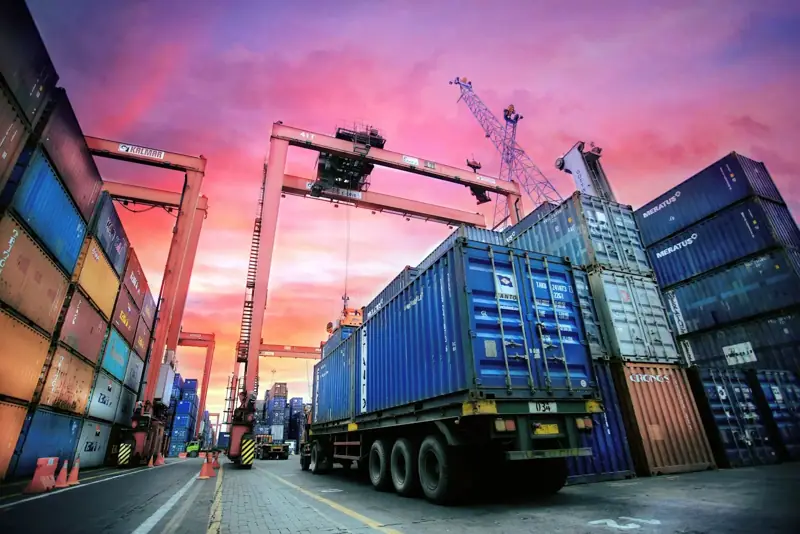
Intermodal / Drayage Insurance
Drayage carriers move containers between ports, rail ramps and warehouses on equipment they usually do not…
Read more →
Physical Damage
Physical damage insurance repairs or replaces your own equipment after a collision, rollover, fire, theft,…
Read more →
Primary Auto Liability
Primary auto liability is the coverage that keeps your authority active and pays for injuries and property…
Read more →Trailer Interchange FAQ
Does my physical damage cover a trailer I do not own?
Usually not. Physical damage covers units scheduled on your policy. Non-owned trailers need trailer interchange or non-owned trailer physical damage coverage.
Is trailer interchange liability coverage?
No. It is physical damage coverage for the non-owned trailer. Liability to others is covered by your auto liability policy.