Logging Truck Insurance
- Home
- Operations
- Logging
Reviewed November 19, 2026
Operation
Logging Truck Insurance
Log hauling combines heavy loads, rough roads and rural highways. Fewer insurers write it, which makes a specialist agent more valuable.
Request a Consultation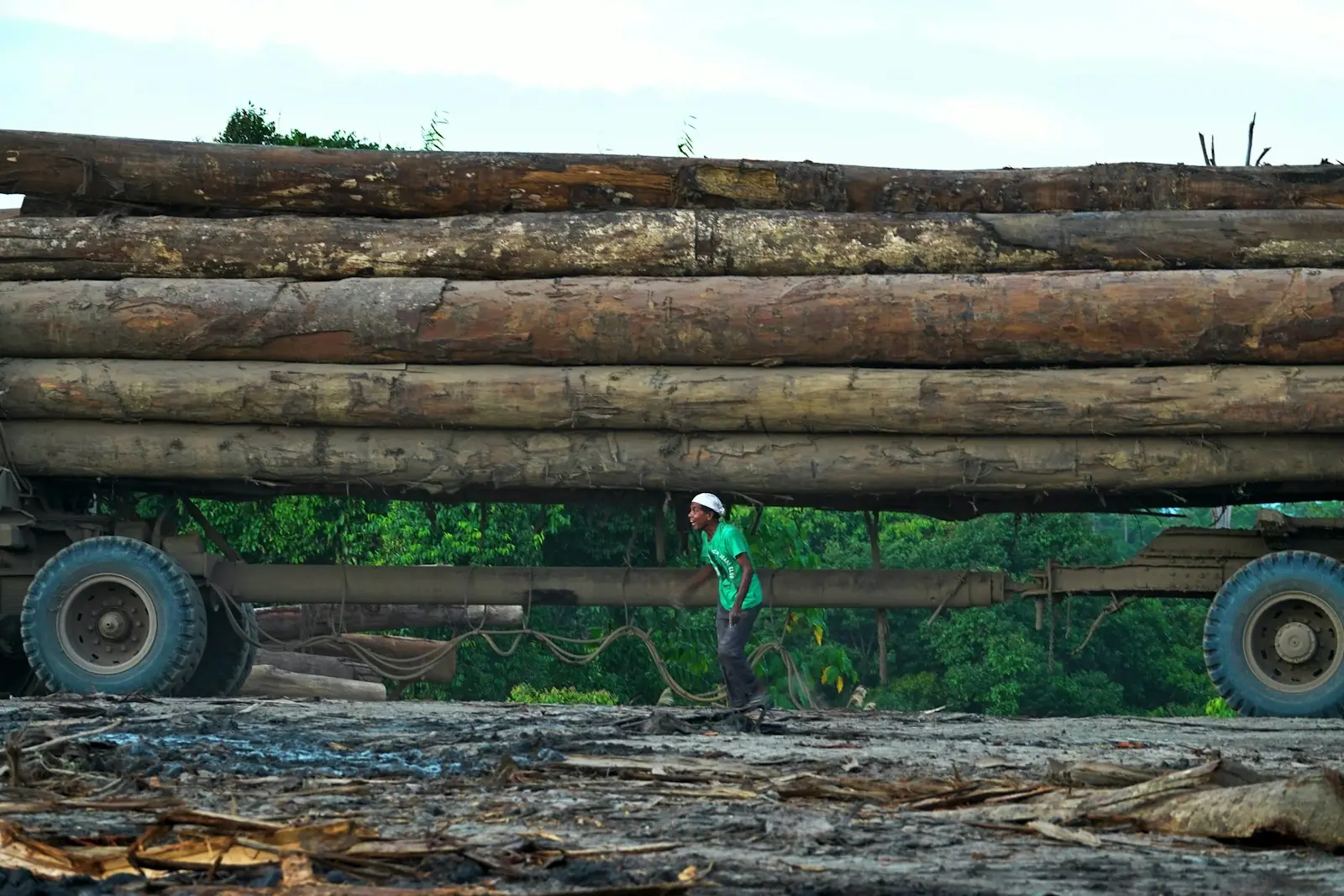
Coverage is written around your commodities, radius, equipment and contracts.
Main risks in logging
- Rollovers and load shift on rural roads
- Unpaved forest and haul roads
- Loader and equipment exposures
- Heavy loads and weight limits
- Limited market appetite
Coverages that usually matter
| Coverage | Why it matters for logging |
|---|---|
| Primary Auto Liability | Intrastate or federal, depending on where logs go |
| Physical Damage | Log trailers and self-loaders |
| Motor Truck Cargo | Often low or optional for timber |
| Occupational Accident | Contract haulers |
Underwriting and loss-control tips
- Separate mobile equipment (loaders, skidders) from auto coverage; it usually belongs on inland marine.
- Document load securement practices.
Getting a quote: have your USDOT/MC number, driver list with license numbers and dates of birth, unit list with VINs and values, commodities, radius, and three to five years of loss runs ready. Need your loss runs? Ask your current agent or carrier in writing.